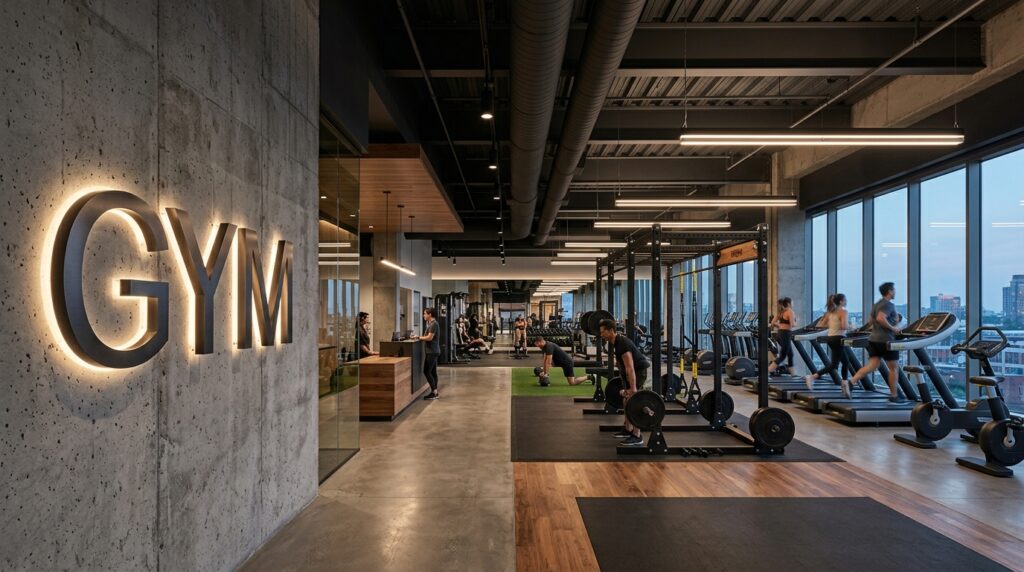
Walk into two gyms with the same equipment. One has flickering fluorescent lights, mismatched paint, and a layout that feels like a maze. The other feels open, energizing, and easy to move through. Which one are you more likely to sign up for?
That’s the power of gym interior design. It’s not just about looking good on Instagram; it’s about how people feel the moment they walk through the door, and whether they come back next week.
Why Gym Aesthetics Matter
Most gym owners pour their budget into equipment and forget that the space itself is doing a lot of the selling. But member retention rarely comes down to just having enough treadmills. It comes down to experience.
Environmental factors like lighting, air quality, and layout genuinely affect motivation and mood during exercise. Even organizations like the Mayo Clinic note that environment and mindset play a measurable role in how consistently people stick with physical activity. If members don’t feel good in your space, they’ll find a gym that gives them that feeling elsewhere.
A well-designed gym dynamically changes the game:
- Boosts Motivation: Makes people want to stay longer and train harder.
- Welcomes Beginners: Reduces the awkward “gym intimidation” factor for newcomers.
- Builds Instant Trust: A clean, thoughtful space signals a professional, well-run business.
- Drives Brand Loyalty: Creates a stronger emotional connection to your fitness brand.
Core Principles of Commercial Layouts
Designing for a commercial fitness business has to balance aesthetics with function, safety, and flow, all while working within a real budget and fixed square footage.
1. Traffic Flow Over Decoration
Before a single mirror goes on the wall, the layout needs to make sense. Cardio zones, free weights, functional training areas, and stretching spaces should each have breathing room. Overcrowded gyms don’t just look bad — they’re genuinely unsafe, with equipment too close together and members bumping into each other mid-set.
A good rule of thumb: If two people can’t comfortably pass each other between machines, your gym layout needs a serious rework.
2. Durable, Purpose-Built Materials
Commercial spaces take a beating from dropped weights, sweat, and constant foot traffic. Your interior finishes need to handle that pressure:
- Weight Zones: Heavy-duty rubber or premium vinyl flooring.
- Cardio & Showers: High-grade anti-slip and moisture-resistant surfaces.
- Free-Weight Walls: Impact-resistant wall panels to prevent scratches and dents.
- Overall Space: Easy-to-clean, low-maintenance materials throughout.
3. Smart Zoning for Gym Personalities
A smart layout separates different workout styles to keep everyone happy. High-energy zones for intense HIIT and functional training should stay away from quiet corners meant for stretching, yoga, and physical recovery. Social zones like juice bars or lounge seating can bridge the gap. If you want to optimize these spaces for high foot traffic, checking out professional commercial interior layouts can help you maximize efficiency.
This kind of zoning directly impacts member satisfaction scores and long-term retention, which is why organizations like IHRSA regularly highlight layout planning in professional fitness circles.
4. Seamless Brand Integration
Real branding is when your color palette, signage, lighting, and even the music fit together into one consistent premium feeling, whether that’s a hardcore strength gym or a boutique wellness studio.
Working with a team that understands both design and commercial functionality makes a huge difference. This is exactly where professional commercial interior design services come in — turning a raw space into something that actually works for a fitness business, not just something that looks nice in a rendering.
Creative Design Ideas That Work
Creative commercial gym interior design doesn’t mean going wild with color for the sake of it. It means making intentional choices that support energy, focus, and comfort.
Lighting That Sets the Energy
Lighting can completely change how a workout feels:
- Cardio & Stretching: Bright natural light from large windows or skylights boosts mood.
- Recovery & Yoga: Warm, dimmable lighting helps members calm down and relax.
- Weightlifting Zones: Cool-toned, bright lighting keeps focus and adrenaline high.
- Modern Accents: LED strip lighting around mirrors adds a high-end, futuristic touch.
Publications like Architectural Digest have covered how lighting design shapes mood and perception in commercial spaces far beyond just gyms; the same psychology applies directly to fitness environments.
Color Schemes to Boost Workouts
Color psychology isn’t just marketing fluff — it genuinely affects human energy levels:
- Reds & Oranges: Perfect for high-intensity areas; they raise energy and heart rate.
- Blues & Greens: Naturally calming tones, ideal for recovery or yoga studios.
- Black & Charcoal: Paired with neon accents for a bold, serious, strength-focused feel.
- Whites & Neutrals: Excellent for making smaller fitness studios feel open and clean.
Clever Space Hacks
- Strategic Mirrors: Use seamless wall mirrors to visually expand tighter spaces while allowing form checks.
- Clear Sightlines: Keep the layout open so trainers can easily monitor the floor for safety.
- Flexible Zones: Leave an open area with movable equipment for daily group classes.
- Biophilic Elements: Bring in low-maintenance indoor plants to soften the heavy industrial gym feel.
Small Details, Massive Impact
- Custom Graphics: Use branded motivational wall graphics instead of generic stock quotes.
- Premium Locker Rooms: Comfortable, crisp, and well-lit changing rooms always get noticed.
- Welcome Desks: Design a sleek front reception area that looks premium, not like an afterthought.
- Acoustic Zoning: Manage sound systems so loud weight room music doesn’t ruin yoga sessions.
Conclusion: Layout Is Part of the Experience
People don’t just come to a gym to lift weights or run on a treadmill — they come for an experience. The lighting, the colors, and the flow of the space will either pull them in or push them away.
Good gym interior design isn’t a luxury add-on. It is a core part of building a fitness business that people actually want to be part of, week after week. If you’re ready to transform your workout space into something members genuinely love spending time in, working with an experienced commercial interior fit-out team can save you time, money, and a lot of trial and error.