Table of Contents
What is Interior Design?
Interior design is the process of planning and shaping indoor spaces so they look good, work well, and suit the people who use them. It involves layout, lighting, materials, furniture, color, and the overall feel of a space.
It can range from a single bedroom to an entire office, hotel, or restaurant. It combines creative ideas with practical planning to make a space more comfortable and functional.
Have you ever walked into a room and felt calm without knowing why? That’s usually the result of thoughtful design.
This blog covers what interior design means, what a designer does, how the process works, and why it matters.
Interior Design Meaning in Simple Words
At its core, interior design means shaping the inside of a building so it looks good and works well at the same time. It’s not just about picking nice colors or furniture. It’s about making a space that fits how you live, work, or relax.
A good interior designer thinks about:
- How a room looks
- How people will use the space
- How light, color, and furniture work together
- How the room makes someone feel when they walk in
Interior design is a mix of creativity, planning, and problem-solving, not just decoration. It also involves real technical work, like space planning and lighting, as the American Society of Interior Designers points out.
Interior Design vs Interior Decoration
Many people mix these two terms up, so let’s clear it up.
Interior Design focuses on how a space works, its layout, safety, and overall look. Designers may plan layouts, choose lighting, and work with architects when needed.
Interior Decoration is about the visual style, furniture, colors, and accessories.
| Interior Design | Interior Decoration |
| Focuses on function and layout | Focuses on visual appearance |
| Includes space planning | Includes styling and accessories |
| Considers lighting and materials | Focuses on colors, furniture, and décor |
| May involve technical planning | Usually focuses on finishing touches |
Put simply, designers plan the space. Decorators style it.
The Interior Design Process
Even when a finished room looks simple, there was a clear process behind it. On bigger commercial projects, this is usually guided by an interior design consultant who manages design and approvals.
Step 1: Understanding the Client
Asking about lifestyle, taste, and budget before any real work starts.
Step 2: Space Planning
Looking at the room’s size, shape, and natural light.
Step 3: Concept Development
Colors, materials, and furniture styles start coming together.
Step 4: Detailed Planning
A full plan is made, covering furniture placement, lighting, and finishes.
Step 5: Execution
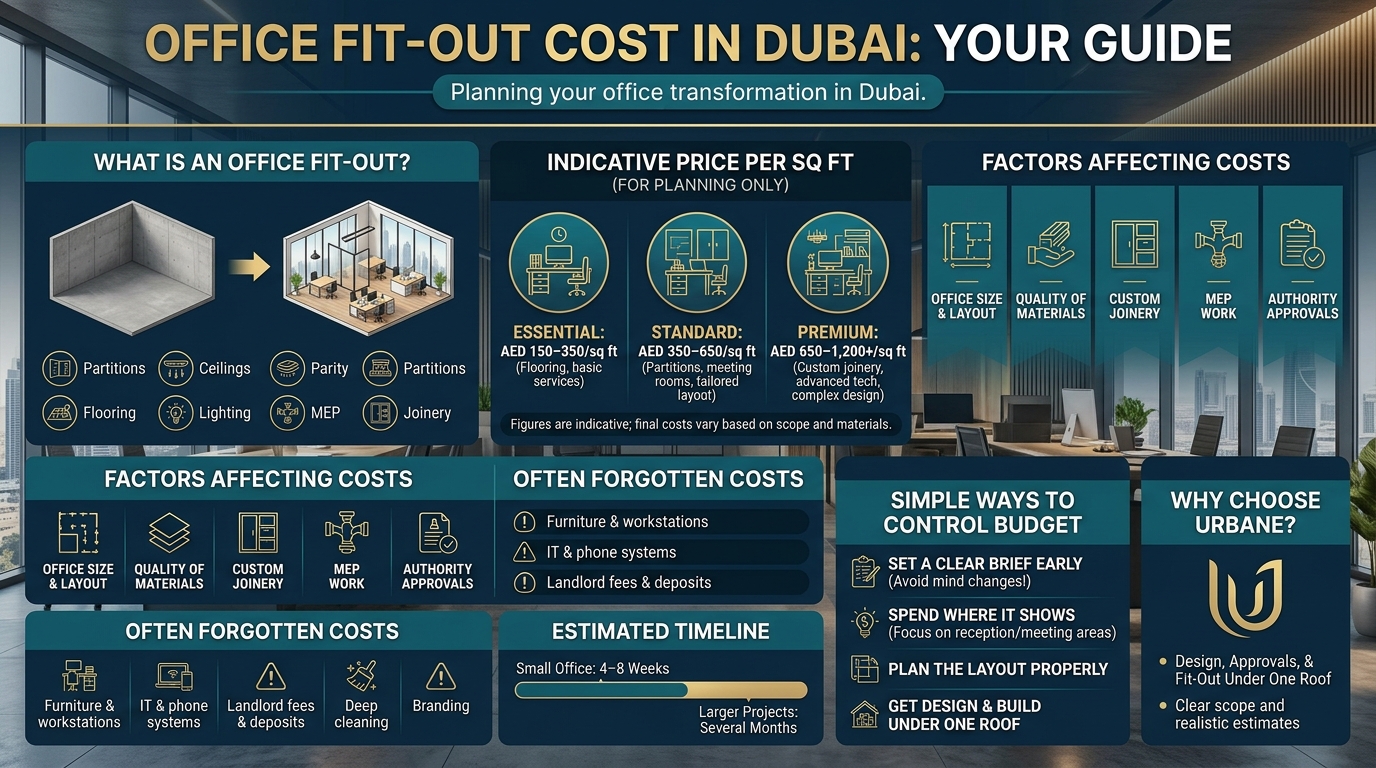
Everything comes together, and the space gets set up. For commercial projects, this usually needs proper fit-out and execution services.
Importance of Interior Design
Good interior design isn’t just about looking nice. It changes how daily life feels.
1. Better Use of Space
A well-planned room makes the most of every corner, which matters in smaller homes.
2. Improved Comfort
The right furniture and layout make everyday living easier.
3. Supports Mood and Productivity
Colors, lighting, and organization can affect focus and mood. Harvard Business Review has covered how office design links to how well people focus and work.
4. Increases Property Value
A well-designed property can be more attractive to buyers or tenants.
Types of Interior Design Styles
- Modern: Clean lines, simple colors, no clutter
- Traditional: Classic furniture, rich colors, elegant details
- Minimalist: The idea that less is more
- Industrial: Exposed brick, raw metal, unfinished textures
- Bohemian: Colorful, artistic, free-spirited
- Scandinavian: Light colors, natural materials, cozy feel
Each style reflects a different mood and way of living.
Who Needs Interior Design?
Some people think interior design is only for big, luxury homes. That’s not true. It’s useful for:
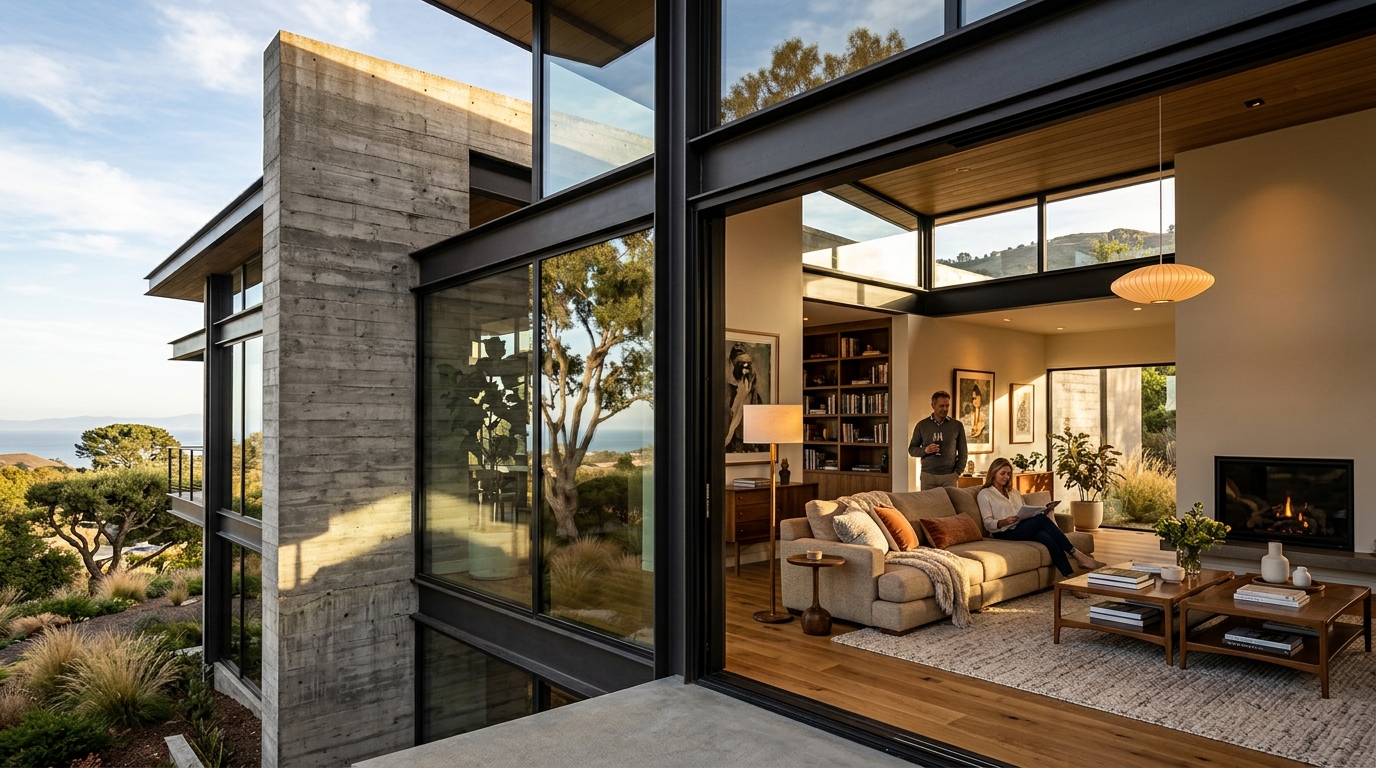
- Homeowners upgrading their living space
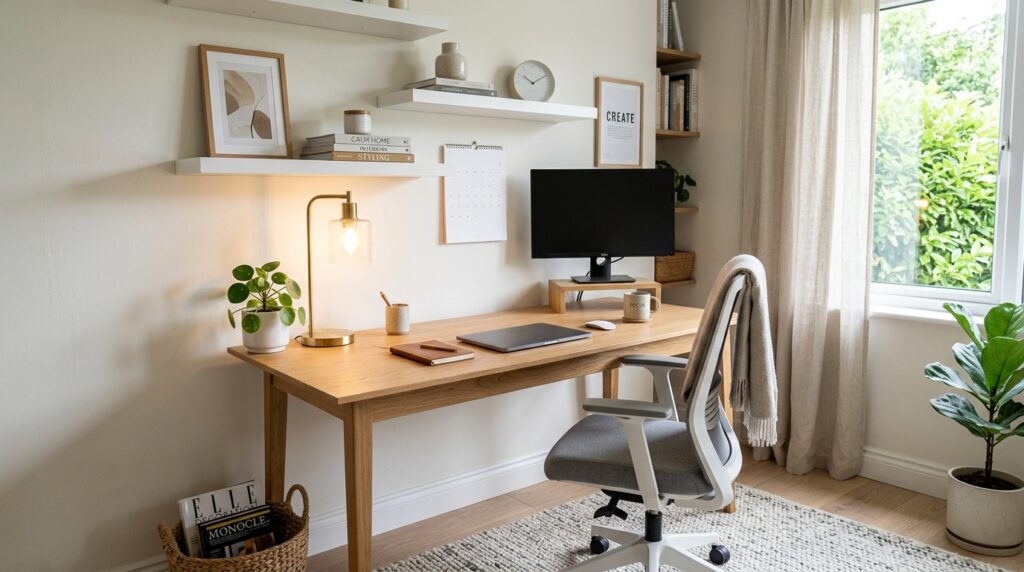
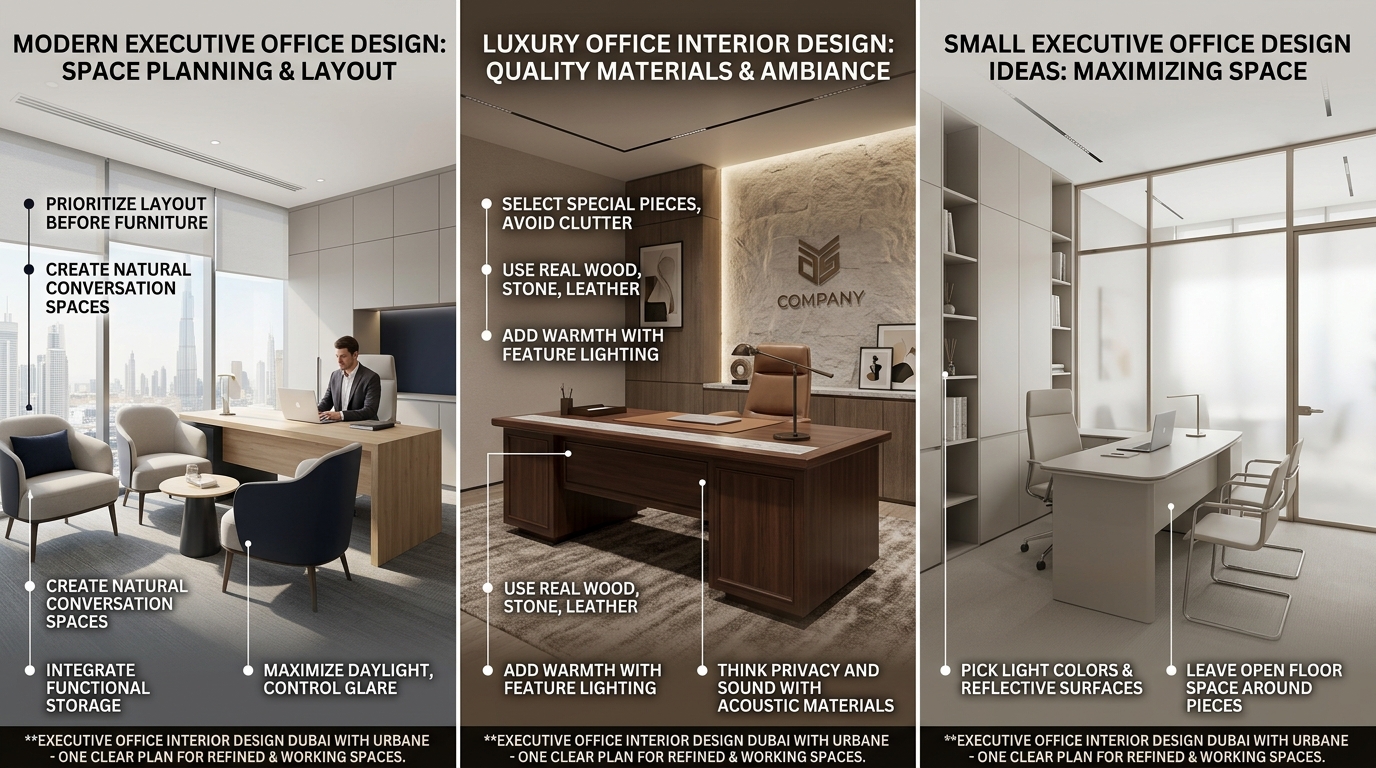
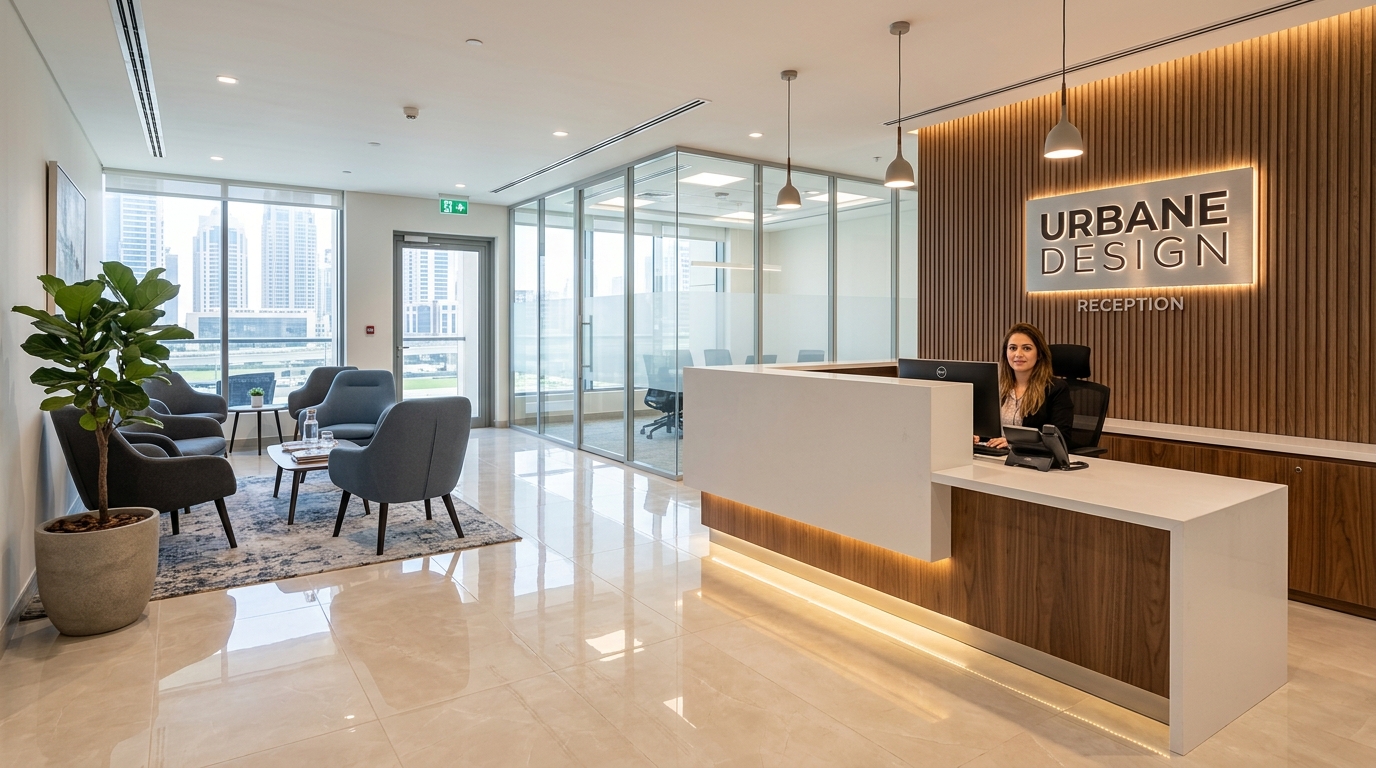
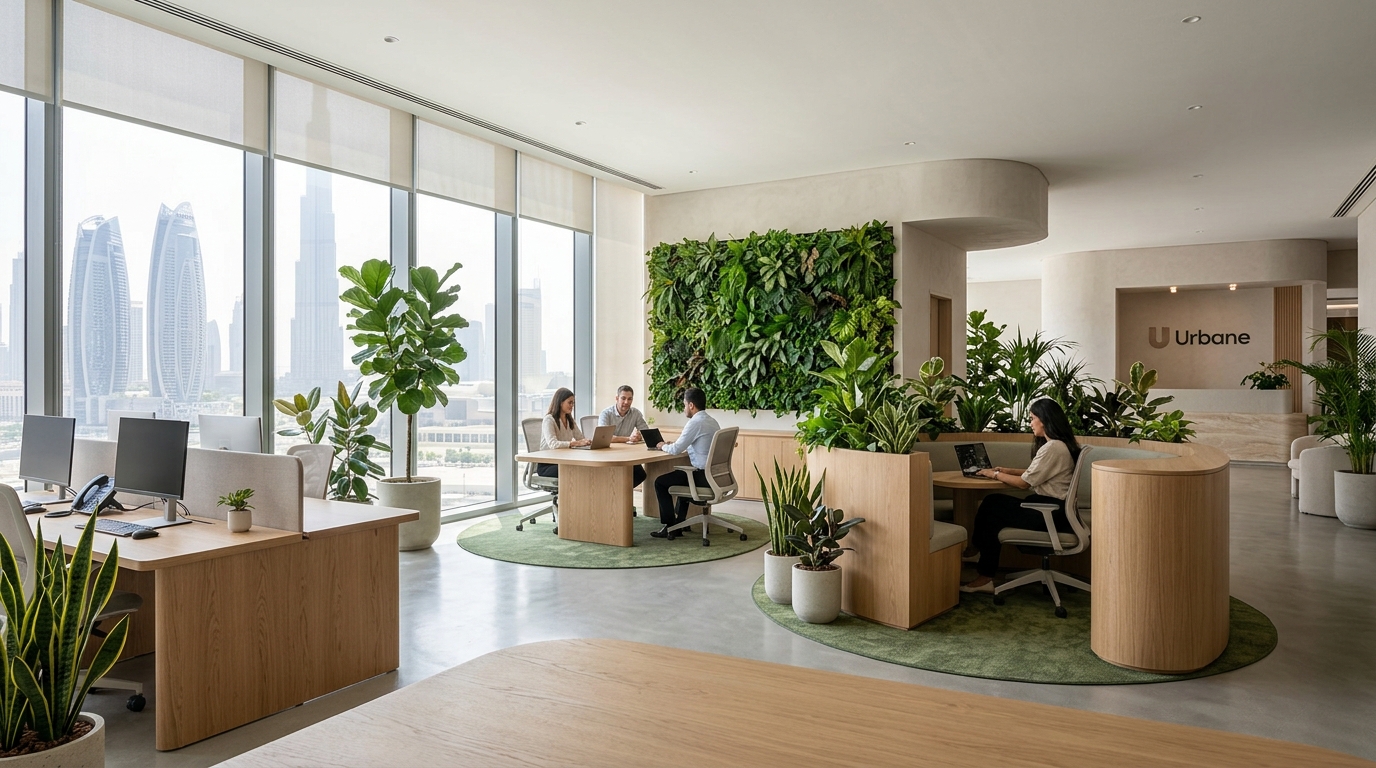
- Businesses building offices people enjoy working in
- Restaurants and cafes using design as part of their brand
- Hotels making guests feel comfortable from check-in
- Small apartments that need smart space planning
Basically, if you have an indoor space, good design can improve it.
Skills of a Good Interior Designer
- Creativity and imagination
- Practical knowledge of space planning
- A good understanding of colors and materials
- Basic technical knowledge, like lighting and layout
- Good communication, since the job means turning someone’s idea into a real space
Final Thoughts
Interior design is more than making a room look nice. It’s about creating spaces that feel right, where people feel comfortable and at home.
Whether it’s a cozy bedroom, a productive office, or a welcoming café, good design makes all the difference. If you’re planning a project of your own, take a look at a few completed interior design projects for inspiration.