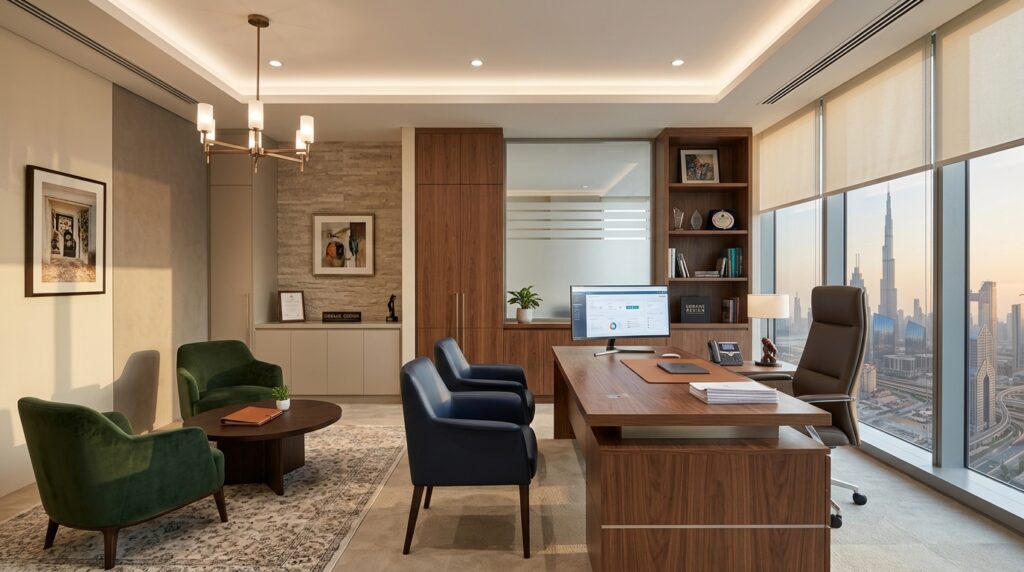
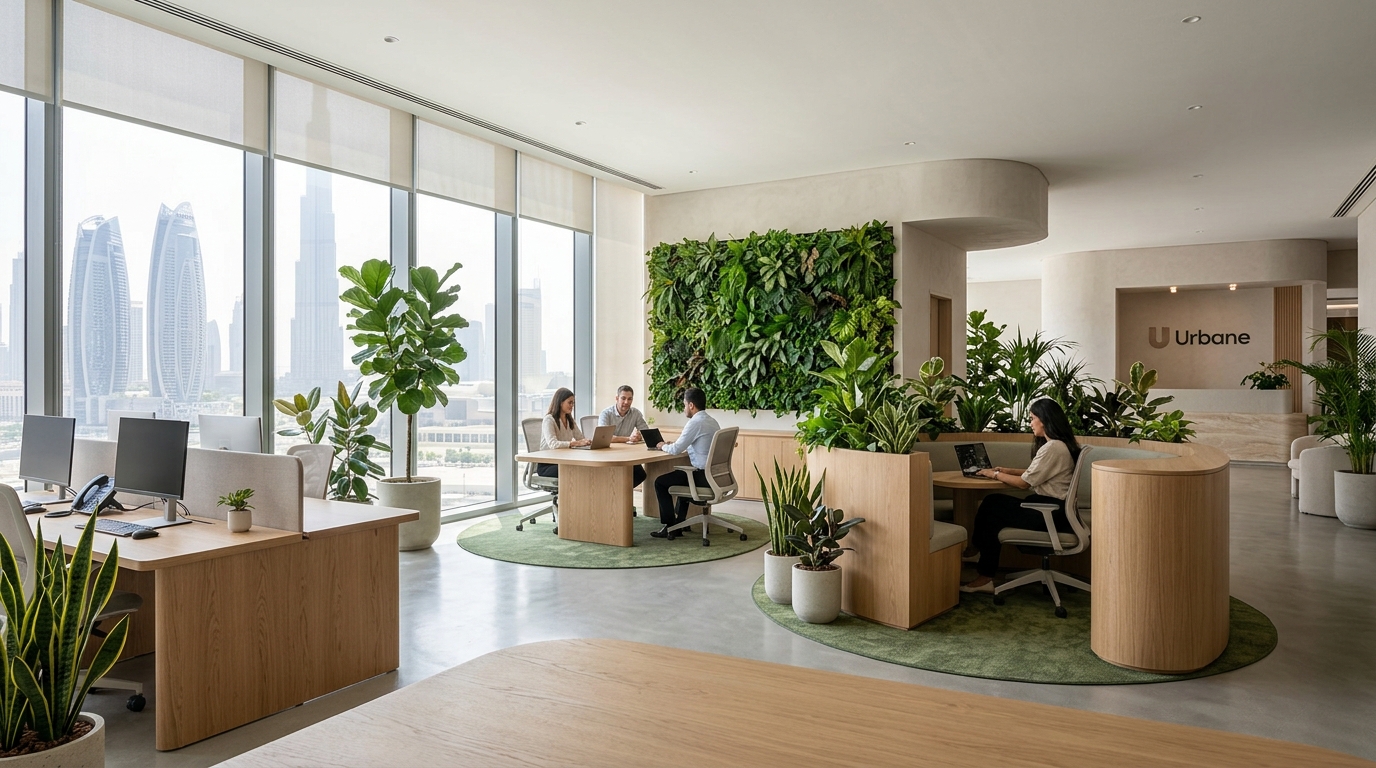
An executive office is where important work happens. Leaders make decisions here, take private calls, and meet clients. The room should feel professional, but it should also be comfortable enough to spend long hours in.
Good executive office design is not about expensive furniture or heavy decoration. It is about planning the room around the person who uses it.
Whether you are planning a CEO office, a director’s room, or a private workspace, the goal is the same. The space should look refined and work well every day.
Start With the Layout
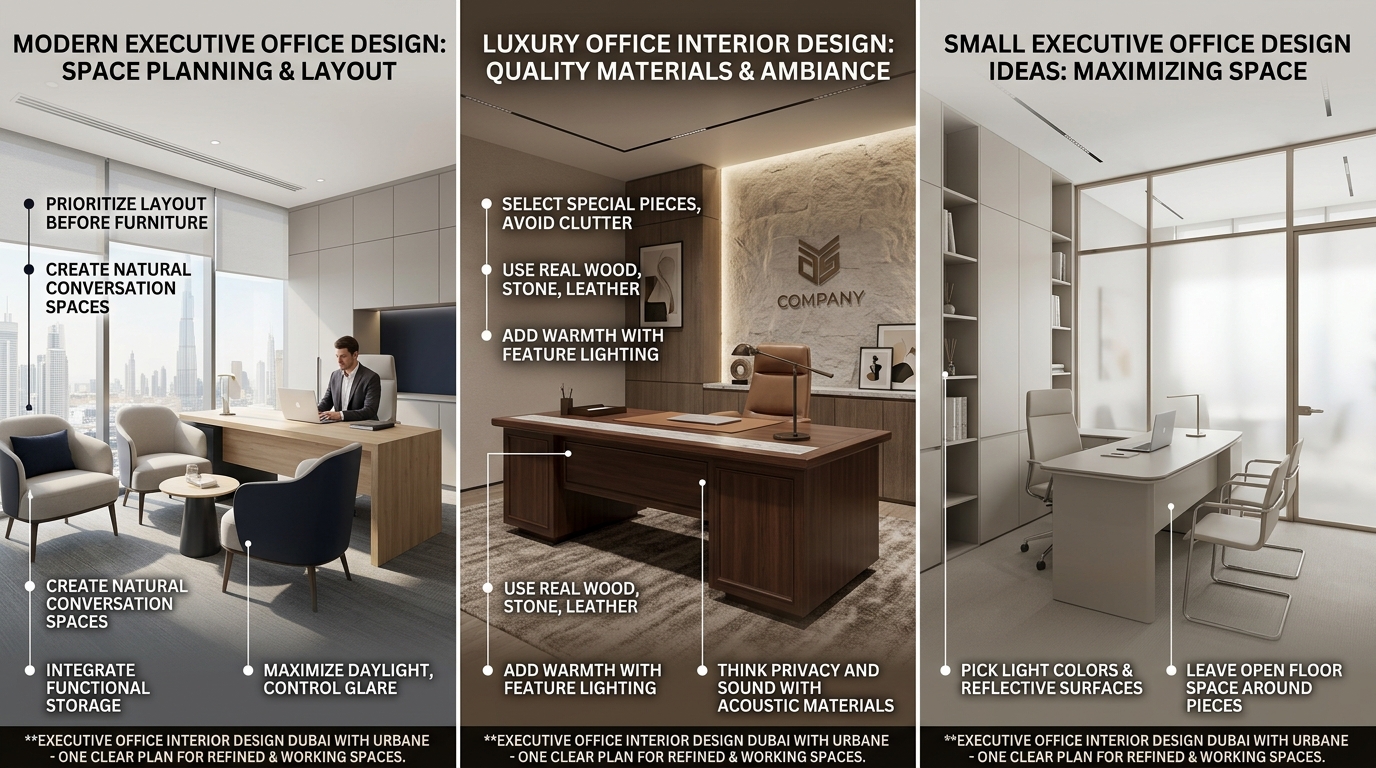
Decide the layout before you choose any furniture. Think about how the room will be used through the day.
Will clients visit often? Will staff stop by to talk? Do you need a small meeting area? How much storage will you need?
The desk needs enough space for daily work, but the room should still be easy to walk through. Place visitor chairs where people can talk naturally.
In a bigger office, you can add a sofa or two armchairs. In a smaller one, a round table can work for both desk work and quick meetings.
Good space planning helps you sort this out early. A simple layout that works is better than a room full of features.
Executive Office Table Design
The desk is the main piece in the room, so executive office table design needs careful thought.
A rectangular desk looks classic and serious. An L-shaped desk gives extra work space, and a curved desk feels softer and more modern. Pick a size that suits the room, because a desk that is too big makes the office feel tight.
Before you decide, think about:
- How much workspace you need
- Where the computer and screens will go
- How you will hide the cables
- How much storage the desk should have
- How much room is left for visitor chairs
Comfort matters too, since executives often sit for many hours. OSHA’s computer workstation guide is a handy reference for setting up the chair, desk, and screen.
Wood gives a warm, classic feel, while stone and glass look sleek. A made-to-measure desk can match your room and storage needs exactly. Our joinery team builds desks and wall units to fit each space.
Modern Executive Office Design
A modern executive office design can look refined without feeling too formal. Clean furniture, simple lines, warm lighting, and glass and wood finishes keep the room professional and comfortable.
Neutral colors like grey, cream, and soft brown are a safe choice. You can add one stronger color, such as deep green or navy, for a little personality.
It also helps if the office shares some colors or materials with the rest of the workplace. That way, the whole space feels connected.
You do not need dark wood or oversized furniture to look impressive. A few well-chosen pieces often work better than a crowded room.
Luxury Office Interior Design
Luxury office interior design does not mean using expensive materials everywhere. Pick a few things that make the room feel special.
A good desk, a nice wall finish, soft feature lighting, or well-made storage can all make a clear difference. A simple desk looks much better next to a textured wall with soft lights.
Real wood or stone, comfortable leather or fabric seating, and thick carpet also add to the feeling of quality. Carpet and fabric panels help keep the room quiet too.
Remember, an executive office is a working room. Choose finishes that are easy to clean and strong enough for daily use.
Small Executive Office Design Ideas
A small office can still feel professional and private. Here are some small executive office design ideas that work well:
- Choose a compact desk, or an L-shaped one that fits into a corner
- Use wall shelves and tall cabinets to save floor space
- Pick light colors and add a glass panel or mirror
- Choose slim visitor chairs or a small round table
- Keep the number of furniture pieces low
Do not try to fit a large executive setup into a small room. Leave open floor around the main pieces, and the room will feel bigger.
Lighting, Privacy, and Storage
Lighting changes the feel of the whole office. Use ceiling lights for general brightness, a desk lamp for focused work, and wall lights for warmth.
Place the desk so daylight comes from the side, not from behind the screen. This cuts down glare.
Fresh air helps people stay alert too. The U.S. Environmental Protection Agency explains what affects indoor air in its indoor air quality guide.
Privacy matters in an executive office, but you do not always need solid walls. Glass partitions with frosted bands, blinds, or curtains give privacy and still let daylight in.
Plan storage from the start. Built-in cabinets, shelves, and side units keep files and equipment out of sight. Keep everyday items close and put the rest away.
Finally, add a few personal touches, like your logo, artwork, or books. Choose only a few meaningful pieces so the room stays calm.
CEO Office Design in Dubai
A CEO office design Dubai businesses choose often has to do many jobs. The CEO may focus on work, take private calls, meet clients, and talk with senior staff, all in one room.
A small table or sofa set gives guests a place to sit. Your logo or brand colors can appear in a quiet way, such as on a wall panel.
If the building has a good view, arrange the room to enjoy it. Dubai sunlight can bring glare and heat, so blinds or tinted glass will keep the room comfortable.
The style can match the business. A finance company may prefer a clean, calm look, while a creative company may want more color and texture.
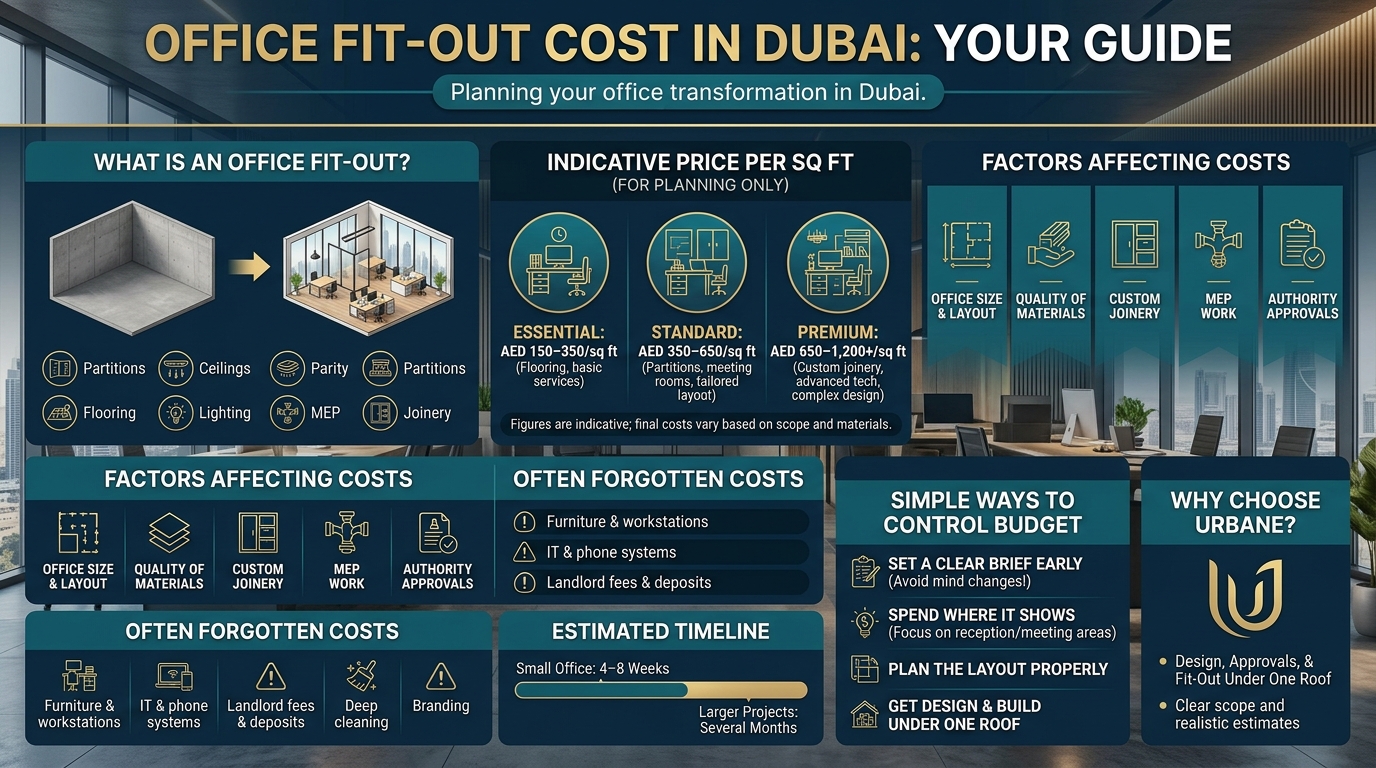
If your plan includes changes to the ceiling, air conditioning, or glass walls, check the approval rules with your landlord and Dubai Municipality.
Executive Office Interior Design Dubai With Urbane
An executive office involves layout, joinery, lighting, materials, and approvals. These parts work best when one team plans them together.
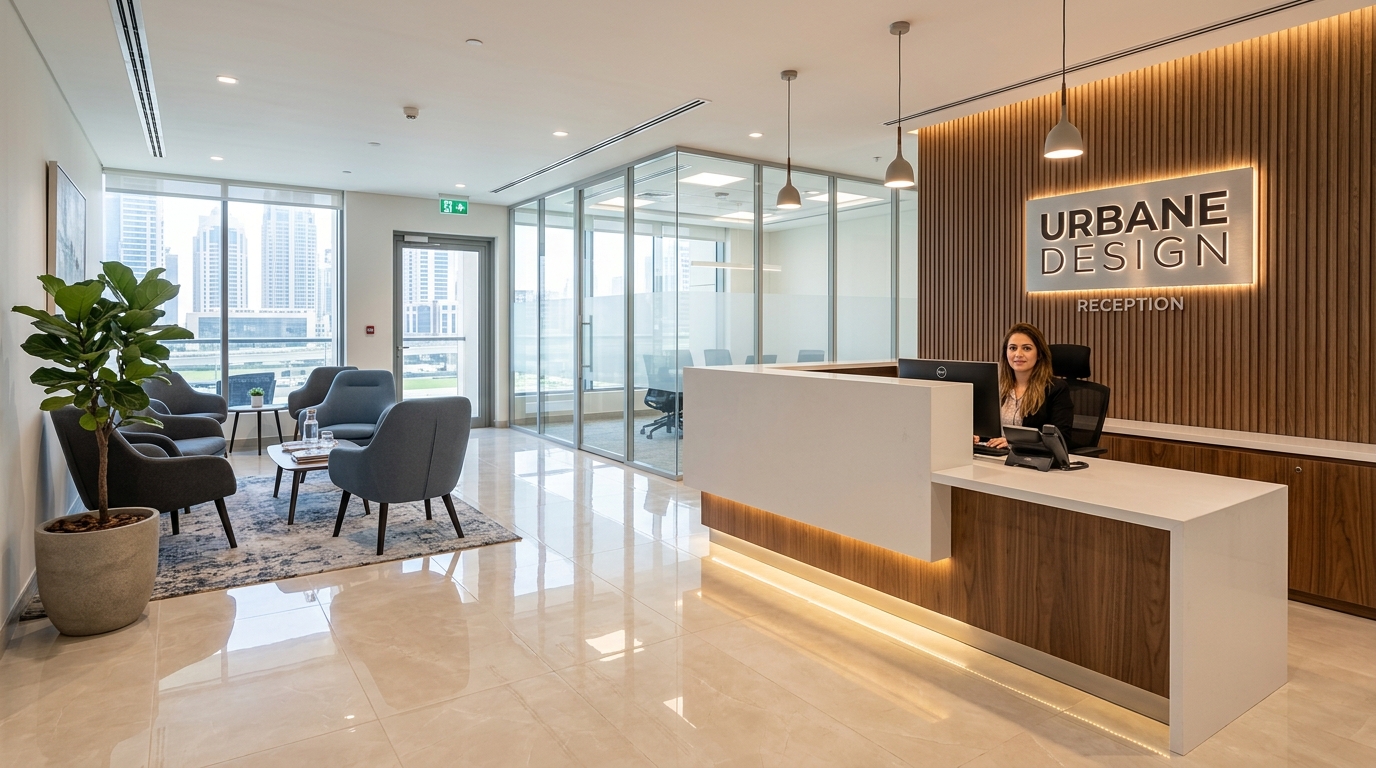
At Urbane, our office interior design in Dubai starts with the person who will use the room and how they work.
That is what good executive office interior design Dubai clients look for: one clear plan, from the first sketch to the finished room.
Mistakes to Avoid
- A desk that is too big for the room
- Too many colors or materials
- No storage for files and equipment
- Lighting that is too dim or too harsh
- Little thought for privacy and sound
- No space for guests
FAQs
What makes a good executive office design?
A comfortable desk, a clear layout, good lighting, privacy, and a look that matches the company.
What is the best desk shape for an executive office?
Rectangular desks look classic, L-shaped desks give more workspace, and curved desks feel modern. Choose based on your room size and daily work.
How can I make a small executive office look more professional?
Keep the furniture simple, use light colors, add wall storage, and avoid clutter.
What materials suit a luxury office?
Wood, stone, glass, leather, and fabric are popular. Good quality and detail matter more than how many items you use.
Does an executive office need a meeting area?
Not always, but most do. Even two comfortable chairs or a small round table can be enough.
Planning an Executive Office?
A good executive office helps leaders think clearly, welcome guests with confidence, and show the company at its best.
The right layout, desk, and lighting can do all that without making the room feel heavy.
Talk to Urbane Design about your executive office in Dubai. We will help you create a space that suits your role, your brand, and the way you work.